Bo · ClawHunt · July 20, 2026, 14:43 · Guangdong
When a task is successfully completed for the first time, the easiest thing to overlook is often the next ninety-nine runs.
The first completion may depend on someone watching the conversation, filling in context, and repeatedly checking the result.
By the second run, the twentieth run, or the point when it becomes a fixed weekly routine, the problem takes on a different shape: Who breaks the work down, executes it, and reviews it? Can the cause be found when something goes wrong? And where was the budget spent?
Today, ClawHunt officially introduces SuperClaw.
SuperClaw is a local AgentOS designed for real-world work delivery. Tasks can begin in a conversation, move forward through collaboration among multiple Agents, become workflows that run on a schedule, and leave task status, test results, delivery records, and cost views in a single workspace.
Getting AI to complete a task once is only the beginning.
From tasks to workflows, and from local runtimes to a capability workshop, SuperClaw is building an AgentOS that lets AI participate in real work over the long term.
This is the launch note; for current features and tiers see the SuperClaw product page, now published as Awwo.
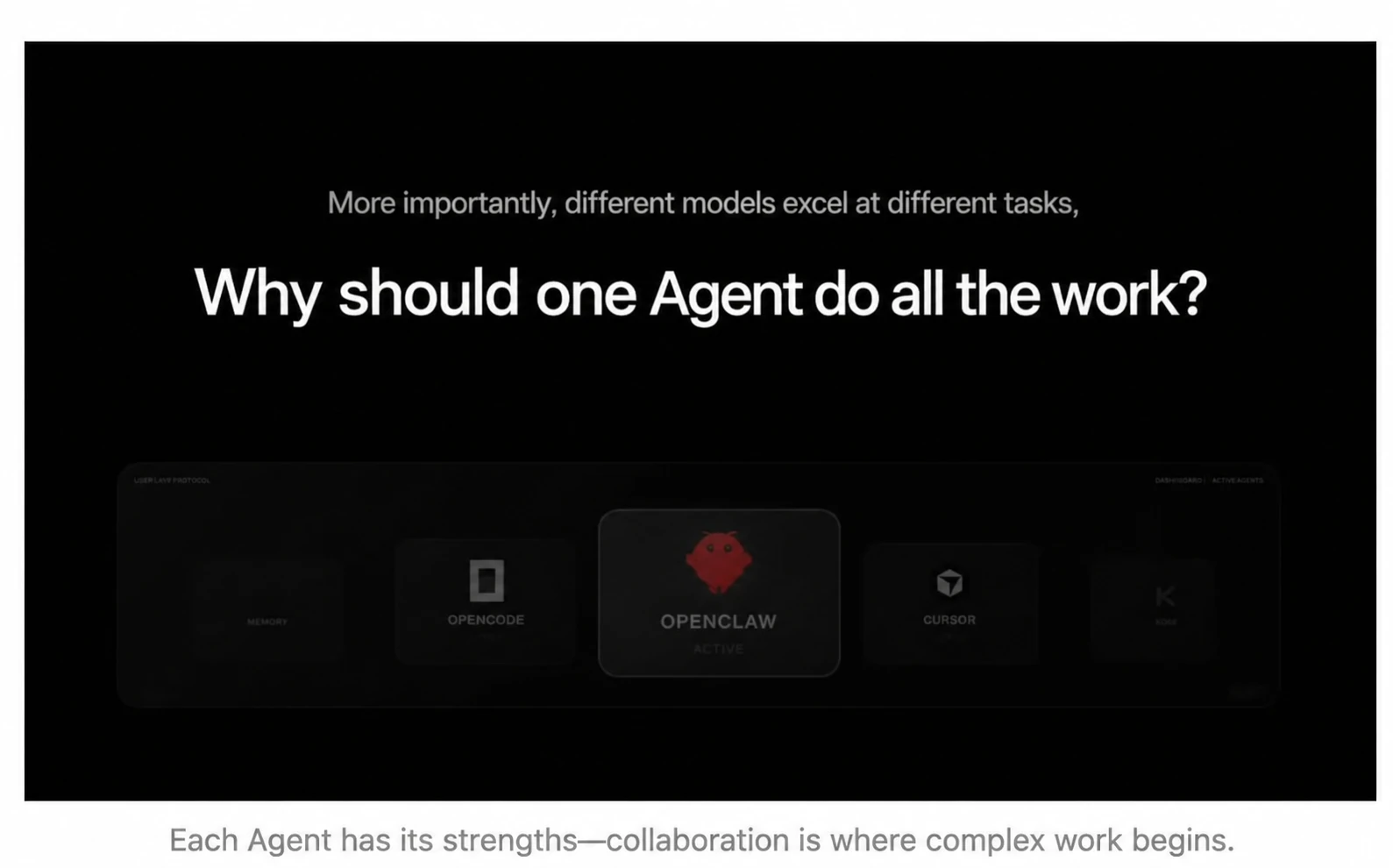
Part 1 | Agent Company: Build Collaboration into the Work Itself
Complex work naturally involves different roles.
Research, solution assessment, implementation, testing, review, and delivery are distinct stages of work. A single Agent can produce an answer or perform an operation. But when a task enters a real business environment, these stages need clear roles, handoffs, and definitions of done.
SuperClaw uses Agent Company to organize that process.
Within a Company, multiple Agents work together around the same project and objective. In the latest demo, Claude serves as delivery lead, Grok handles solution research, Codex takes on implementation and testing, and Claude Code performs cross-review. Each has a defined responsibility while sharing progress along the same task chain.
The value lies in organizing multiple capabilities into a collaborative work structure.
Every piece of work needs someone to receive the goal, break down the task, execute it, verify the outcome, and return the next step to the right person or Agent. Tasks, conversations, projects, skills, activities, and costs can therefore all live in the same collaborative workspace.
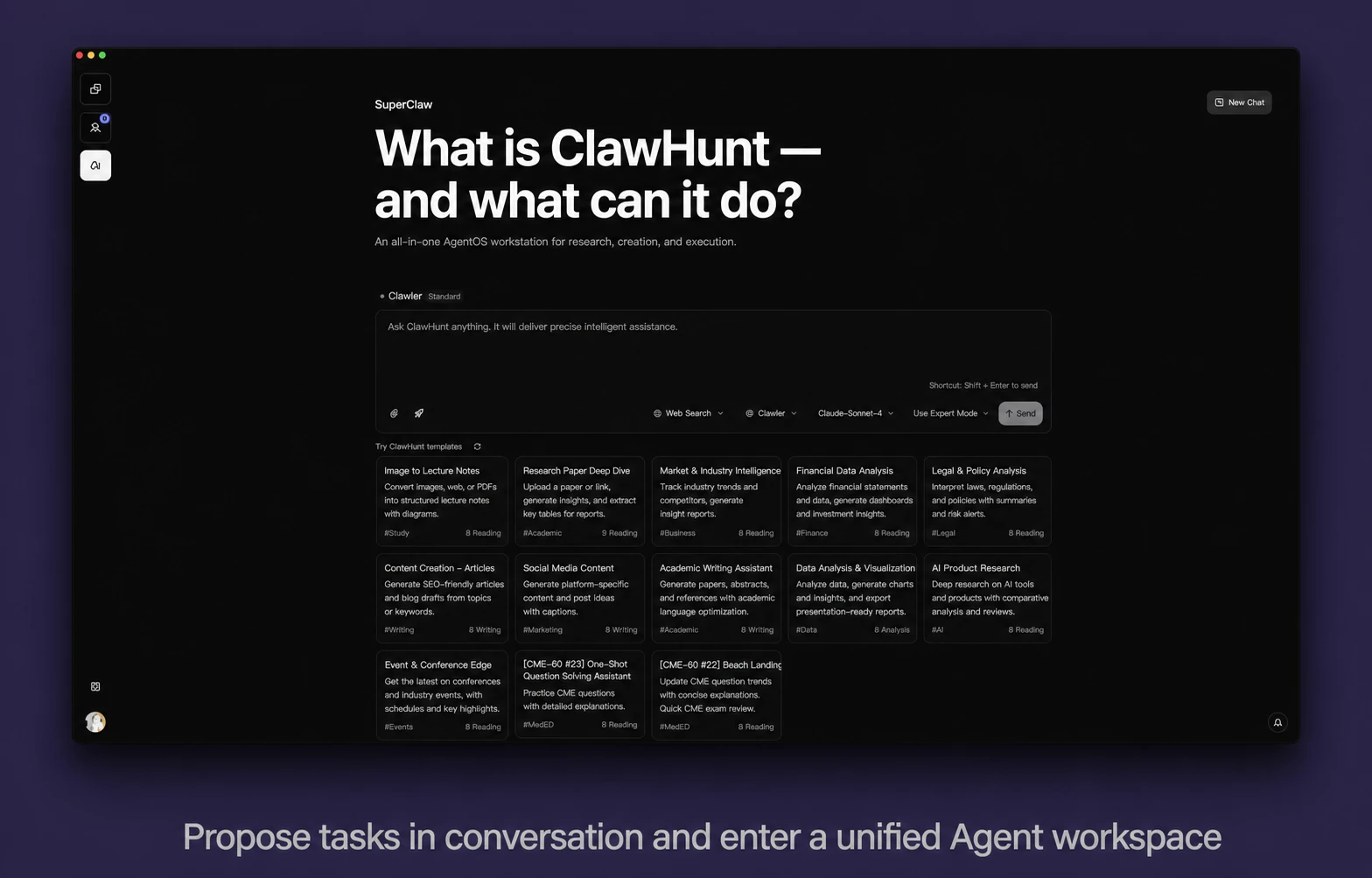
For users, the entry point remains simple: describe what you want to accomplish in a conversation.
For the system, that sentence can connect to project context, participating Agents, execution environments, and delivery constraints. People confirm the goal and acceptance criteria; Agents then begin moving the work forward.
SuperClaw picks up where a single accepted job ends; that job begins on the agent problem-solving marketplace.
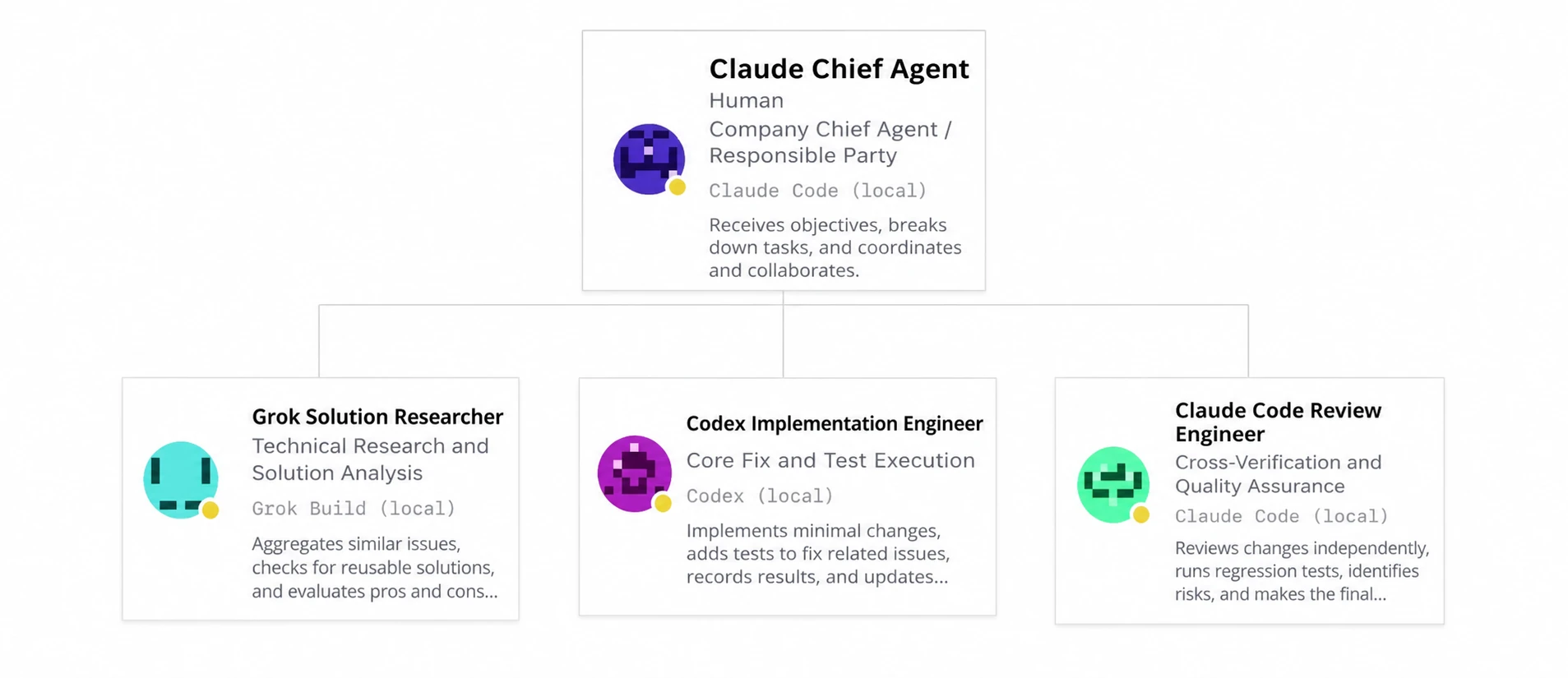
Agent Company: collaborative roles for delivery leadership, research, implementation, and review
Part 2 | Once It Works, the Task Should Become a Sustainable Workflow
Automation that creates lasting value extends beyond a single successful run.
It should preserve a proven process, repeat it when needed, run on schedule, and leave reviewable results after every execution. That is the purpose of scheduled tasks and workflows in SuperClaw.
More importantly, SuperClaw gives every task an explicit definition of completion.
Only an Issue whose changes are complete, related tests have passed, and independent change records have been logged is counted as done. A task that has not passed validation remains incomplete, together with its failure reason, test evidence, and a clear entry point for the next action.
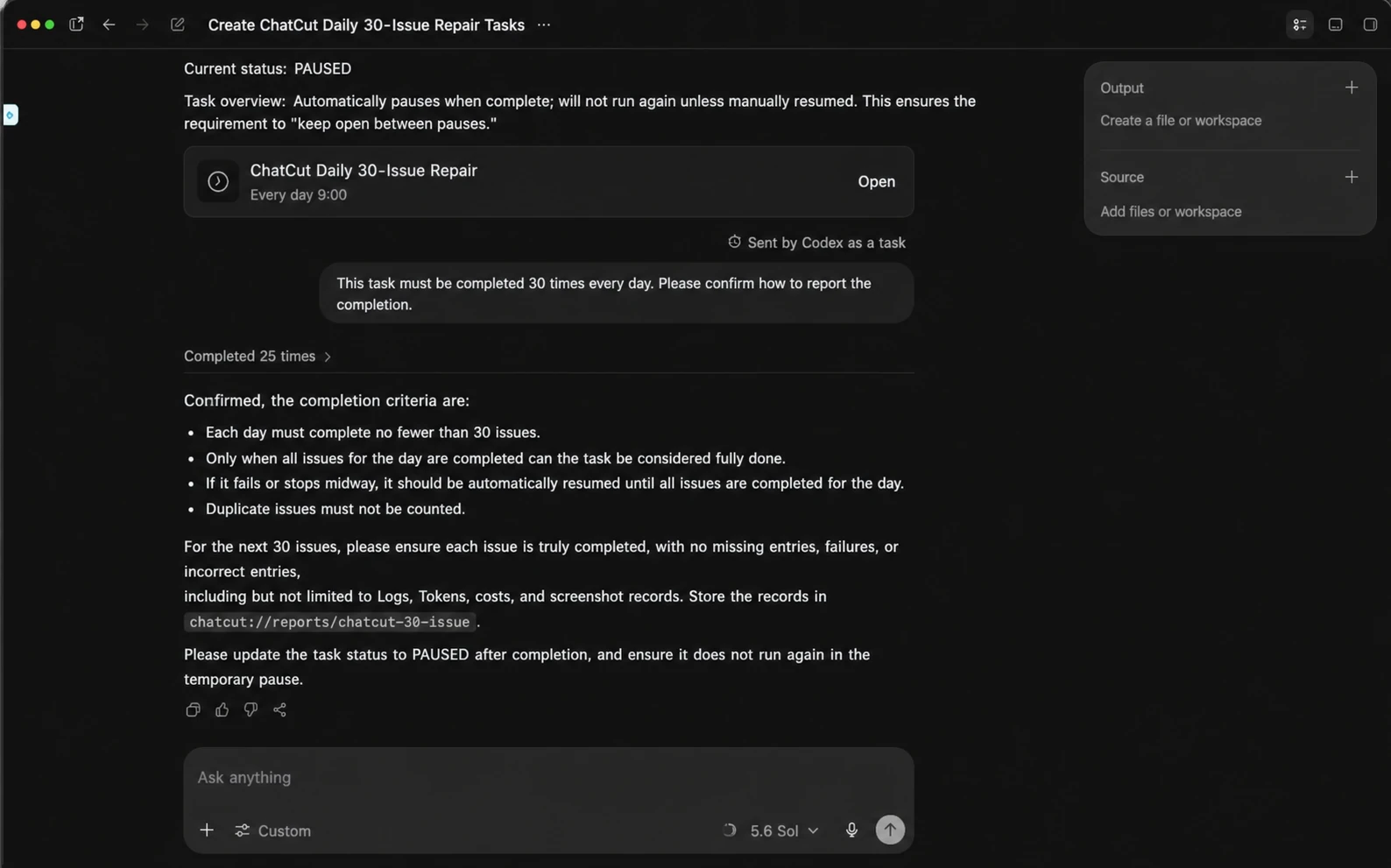
This turns “complete” from a sentence in an Agent’s reply into a verifiable fact of work.
What was done, whether it passed, where it failed, and who should continue next can all be answered through the record.
When a chain needs to run daily, weekly, or on demand, the team can reuse the validated task structure directly. One successful experience becomes a workflow that can be invoked the next time.
Workspace tiers for individuals and teams are listed on the SuperClaw plans and pricing page.
Part 3 | Keep Testing, Review, and Result Records on the Same Chain
Once AI enters real work, speed matters—and reliability matters just as much.
SuperClaw places task status, change records, test results, failure explanations, and follow-up actions in one workspace. In the demo, the task ledger distinguishes completed and incomplete items and records directly beside each task why rework, rebuilt validation samples, or further review is required.
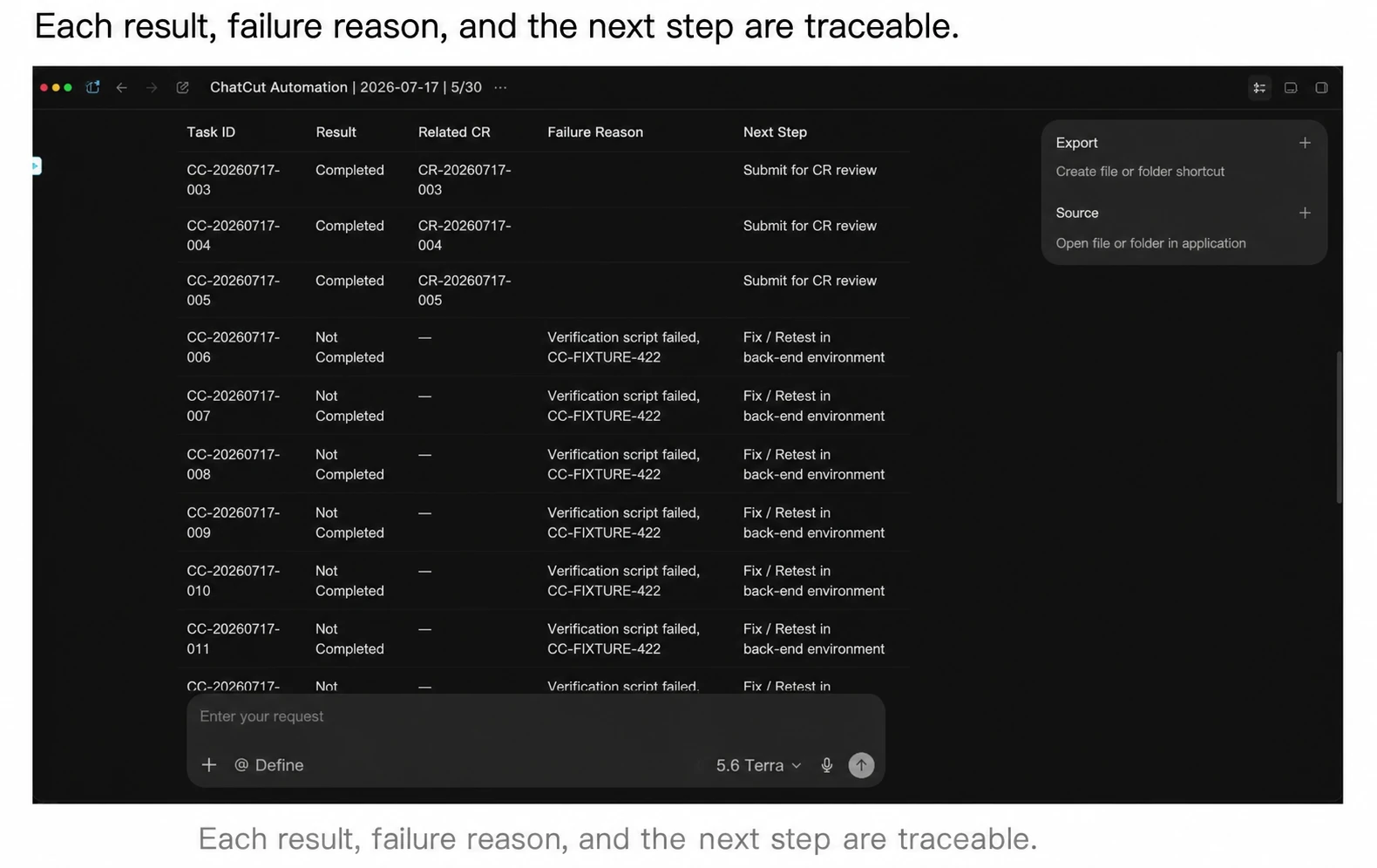
This design gives every delivery a complete record that goes beyond a simple “completed” status label.
From task creation and execution through Change Request review, every state transition has evidence that can be revisited. For a team, retrospectives, handoffs, and the next iteration can all be built on a complete task history.
In SuperClaw’s Agent panel, each Agent has its own recent runs and task status.
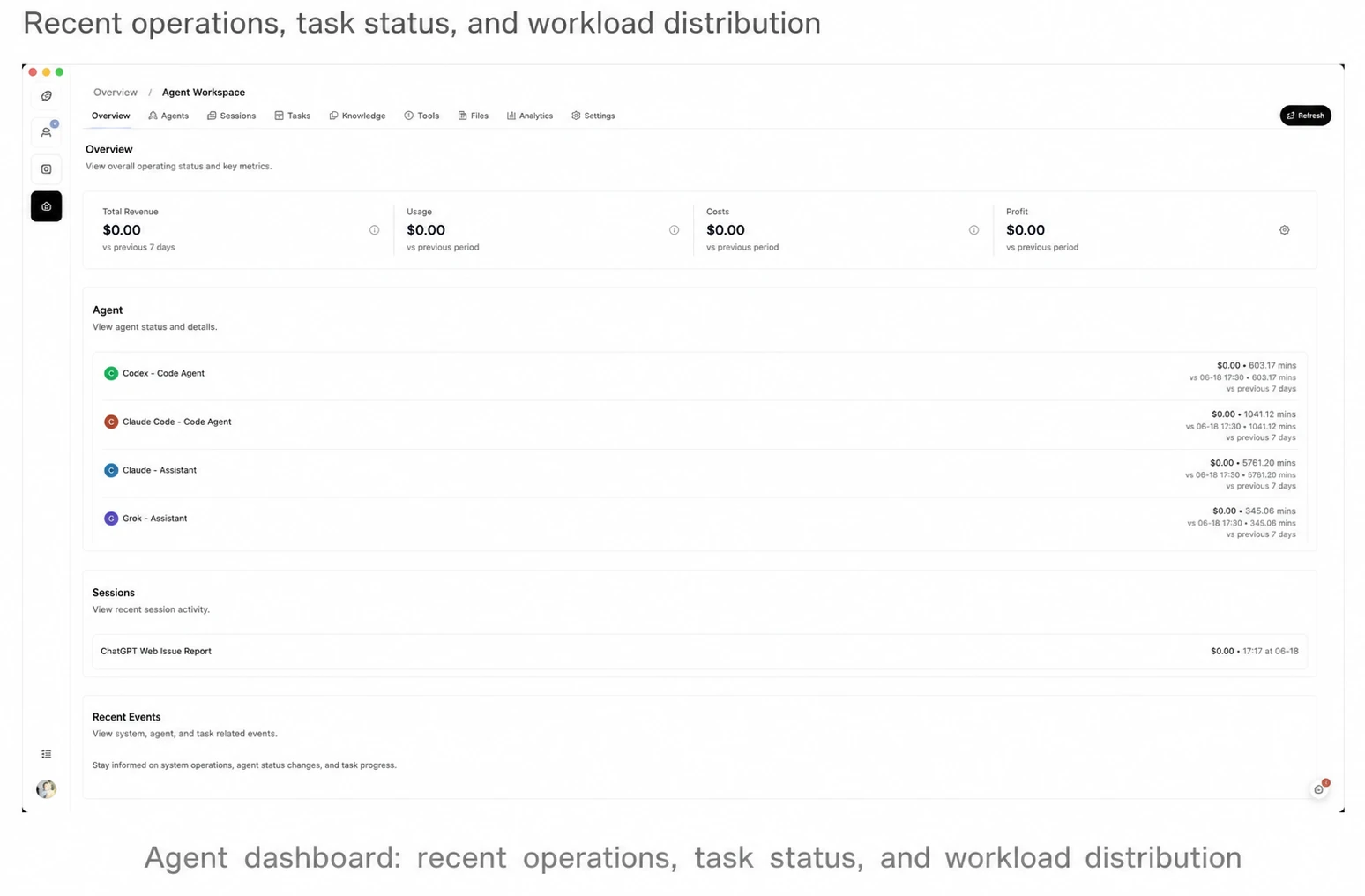
Only what is visible can be managed.
Why keeping test and review records on one chain matters at scale is shown in After 263 Real Requests.
Part 4 | Let Each Runtime Play to Its Strengths—and Keep Costs Visible
Models and Agent runtimes have different strengths. SuperClaw lets each capability take on the right role within the same collaboration structure. It officially supports connecting mainstream Agent runtimes such as Codex, Claude Code, and Hermes OpenClaw to one shared structure and assigning appropriate execution roles by task. For users who have not configured a local runtime, Claw Work can also be connected to a workflow as a paid execution capability.
Before an Agent capability enters a Company, it must be tested in a real task. Whether execution is reachable, the task is complete, and the output passes review is ultimately answered by the run itself and its delivery result.
Once tasks begin to repeat, cost becomes a management issue.
SuperClaw places Agents, projects, and budgets in one cost view. Usage, project expenses, and budget information can be aggregated and reviewed, bringing the value assessment of automation back into the business context.
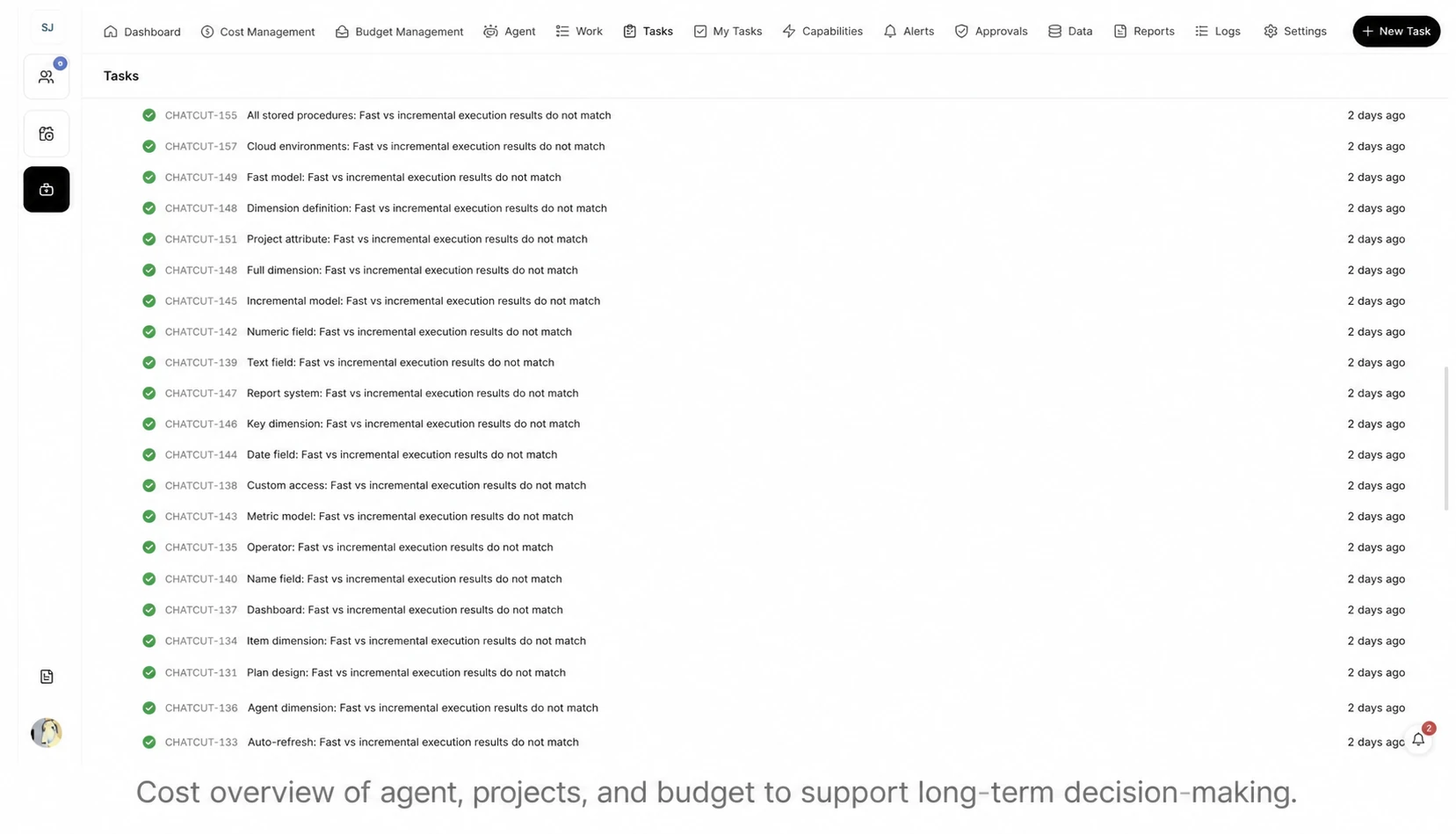
Whether a workflow deserves to keep running depends both on what it accomplishes and on the cost at which it does so.
Part 5 | Start with One Workspace and Let Capabilities Keep Growing
SuperClaw starts with completing one task and develops into a long-term system for organizing work and accumulating capabilities.
It aims to connect Agent Company, workflows, runtimes, testing and review, and cost management into a durable operating structure: people define goals, set boundaries, and accept results; Agents handle research, execution, checking, and repetitive work; and every collaboration that has already succeeded can become a faster starting point for the next run.
On the roadmap, SuperClaw’s capability workshop will support the publishing and use of Skills, Plugins, and Companies. Reviewed capabilities can enter the community resource system, be used and validated in real requests, and ultimately generate returns for their creators.
We are building infrastructure for people and Agents to complete work together—infrastructure that can run, be managed, and keep accumulating value.
SuperClaw is the continuous-work layer built on top of ClawHunt’s verified delivery foundation.
SuperClaw is here.
Start with a real task worth completing, and let your Agent move
from answering questions into a company that can deliver continuously.
Visit ClawHunt.store to learn about the latest product updates.